Table of Contents
- Florida Home Selling
- Which Areas in Florida Offer the Best Return on Investment and Are Easiest for Residential
- What Home Styles, Sizes, and Features Tend to Sell Fastest in the Florida Market?
- What Should Home Sellers Know About Zoning Laws, Permits, and Regulatory Requirements in Florida?
- Which Towns or Cities in Florida Are the Easiest â and Hardest â When It Comes to Navigating Real Estate Regulations?
- What Are the Most Effective Flipping and Resale Strategies for Maximizing Profit in Florida's Housing Market?
- How Should Sellers Price Their Homes to Attract Buyers While Maximizing Value in Florida?
- Which Key Economic, Social, and Regulatory Factors Are Driving Current Trends in Florida's Local Property Markets?
Florida Home Selling
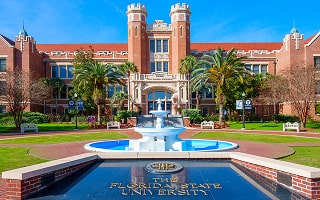
Known for warm weather, beautiful beaches, and world-famous theme parks, Florida is home to one of the hottest housing markets in the nation. The median sale price of around $410,000 in August 2025 was largely unchanged year over year, with demand dipping in 2025 as a result of soaring insurance premiums, higher interest rates, and a slowdown in migration to the Sunshine State. Florida home prices remain below the national median of $443,000, maintaining a relatively affordable position compared to many U.S. states.
Florida home sales in September 2025 totaled nearly 29,000, a 7% year-over-year increase. Meanwhile, the median days on market (DOM) stretched to 81 (up from 65 during the same period in 2024), reflecting softer demand and additional inventory. The trend reflects sellers yielding some pricing power, giving buyers more options and leverage.
On the supply side, Florida is among the top states for per-capita residential permits, with most metro areas issuing about six permits per 1,000 residents. This surge in building has expanded Florida's current supply to six months, up from four months last year. (Six months of supply is considered the benchmark for a healthy, balanced housing market, while any less is generally a signal of a seller's market).
Property taxes remain comparatively low in Florida, with an effective tax rate of 0.91%, notably lower than the national median of 1.10%. Florida's homestead exemption and Save Our Homes cap (3% annual increase for primary residences, 10% for non-homestead) make the state especially tax-friendly for long-term homeowners and real estate investors.
Florida's foreclosure rate is higher than the national average, with one filing per 973 housing units, compared to one in 1,478 nationally. While this indicates more distressed property activity, it also presents potential investment opportunities for buyers and investors seeking discounted properties.
These indicators suggest that Florida's housing market is gradually shifting from scarcity toward increased supply from new construction, which may help ease pricing pressure. However, high foreclosure rates and affordability pressure suggest that many households are still struggling to keep up with rising costs, affecting the market's overall recovery.
Which Areas in Florida Offer the Best Return on Investment and Are Easiest for Residential
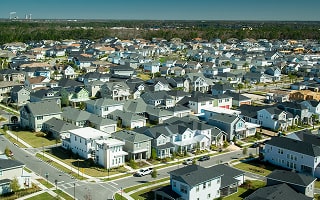
Florida's growing population, diverse economy, favorable tax policies, and strong tourism attract real estate investors to the Sunshine State. Areas with shorter approval timelines and steady rental demand are generally more conducive to successful real estate investments. Here are ten areas in Florida that are well-positioned to offer the best return on residential investment and property development.
- Orlando: The city attracts up to 75 million tourists annually, which sustains rental demand. Orlando has also experienced significant population growth, which has increased demand for rental properties. Despite rising prices, Orlando still offers strong rental returns, with average home values in the mid-$300,000s and rental yields between 5% and 7%, making the city a top choice for investors.
- St. Petersburg, Tampa: Nicknamed the "Sunshine City", St. Pete is a mid-sized coastal city with a vibrant downtown and a strong local economy. Though still competitive, the median sale price has dipped to around $390,000, with the median DOM jumping to 75 in September 2025 (compared to just 41 in September 2024).
- Brickell, Miami: Brickell's housing market has experienced one of Florida's fastest rates of appreciation. Its proximity to the Brightline station has further enhanced connectivity, giving investors an annual rental return of up to 7%.
- Jacksonville: With a median home price of around $321,000 and foreclosure opportunities offering discounts of up to 30% below market value, Jacksonville remains a good investment opportunity for investors. The city's expanding logistics sector is expected to drive population growthover the next decade, and existing home sales are projected to rise by as much as 23.3%.
- Cape Coral: Known for its vast canal network and waterfront living, the area attracts retirees, families, and vacationers, driving a 22.8% projected sales increase. Median rental income increased by around 15% in recent years, with forecasts for rental price increases of 10.5%, signaling strong future returns. Major projects such as the Cape Coral Grove development will also contribute to economic growth, further enhancing the city's long-term investment potential.
- Kissimmee: The city reports a median home price of about $375,000, offering investors an ROI potential of roughly 6%-12%. In addition, the $150 million Capital Improvement Campaign and Community Redevelopment have the potential to drive additional returns on investment.
- Fort Lauderdale: With a median home price of $625,000 and an average property tax of 1%, investors can expect annual appreciation rates in the mid-single digits. The population growth over the past decade has also supported real estate appreciation.
- West Palm Beach: With a median sale price of around $400,000 in September 2025, West Palm Beach is one of the most in-demand small rental markets in the country, offering investors solid long-term income opportunities.
- Ocala: With median home prices hovering around $300,000, Ocala remains more affordable than premium coastal metros like Naples or Marco Island. This affordability attracts first-time buyers and investors looking for properties that offer a lower entry point.
- Sarasota: A cultural hub on Florida's Gulf Coast, Sarasota's median home prices stand at around $400,000, with projected appreciation rates of 5%-10% annually. In addition to higher sale prices, the rental market is also expected to experience strong growth rates at around 4%-8%.
What Home Styles, Sizes, and Features Tend to Sell Fastest in the Florida Market?
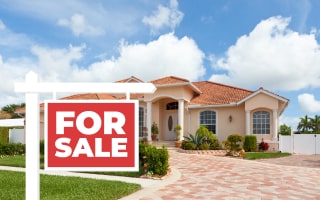
Homes in Florida go under contract in a median of 88 days, considerably longer than the national median of 62 days. Despite the typical Florida home spending nearly three months on the market, properties with specific characteristics continue to outperform and sell sooner.
-
![]() Bedrooms: Across Florida's mid-tier markets, from Ocala to Port St. Lucie, single-family homes with three to four bedrooms and two to three bathrooms tend to sell quickly. These homes offer a practical balance of space and affordability, making them ideal to first-time buyers, young families, and retirees. Four-bedroom homes are in high demand in areas like Palm Coast, North Port, and Clermont, particularly among growing families and remote workers looking for extra space they can use as a home office or guest room.
Bedrooms: Across Florida's mid-tier markets, from Ocala to Port St. Lucie, single-family homes with three to four bedrooms and two to three bathrooms tend to sell quickly. These homes offer a practical balance of space and affordability, making them ideal to first-time buyers, young families, and retirees. Four-bedroom homes are in high demand in areas like Palm Coast, North Port, and Clermont, particularly among growing families and remote workers looking for extra space they can use as a home office or guest room.
-
![]() Size and Lot: Florida properties that tend to sell fastest have lot sizes ranging between 1,500-2,500 square feet, especially for single-family homes. This trend is common in markets like Orlando, Tampa, and Cape Coral, and in counties like Hillsborough, Pasco, and Lee. Likewise, 0.25- to 0.5-acre lots sell quickly in family-friendly suburbs and growing towns such as Port St. Lucie and Palm Coast. These properties offer outdoor living features (like a summer kitchen and pool), along with low-maintenance landscaping. Oversized lots can come with higher upkeep costs, limiting their appeal mainly to luxury buyers. As a result, they tend to spend more time on the market.
Size and Lot: Florida properties that tend to sell fastest have lot sizes ranging between 1,500-2,500 square feet, especially for single-family homes. This trend is common in markets like Orlando, Tampa, and Cape Coral, and in counties like Hillsborough, Pasco, and Lee. Likewise, 0.25- to 0.5-acre lots sell quickly in family-friendly suburbs and growing towns such as Port St. Lucie and Palm Coast. These properties offer outdoor living features (like a summer kitchen and pool), along with low-maintenance landscaping. Oversized lots can come with higher upkeep costs, limiting their appeal mainly to luxury buyers. As a result, they tend to spend more time on the market.
-
![]() Style: Buyers in Florida are drawn to a variety of home styles that blend classic and modern appeal. In urban areas like Miami and Orlando, condos and townhouses with sleek, minimalistic designs and updated interiors sell quickly. On Florida's coasts and in its historic cities, Cape-inspired cottages in select coastal enclaves sell fast at premium prices. In suburban areas such as Tampa, Lakeland, and Gainesville, modern farmhouses with open layouts and neutral palettes rank among the top-selling properties.
Style: Buyers in Florida are drawn to a variety of home styles that blend classic and modern appeal. In urban areas like Miami and Orlando, condos and townhouses with sleek, minimalistic designs and updated interiors sell quickly. On Florida's coasts and in its historic cities, Cape-inspired cottages in select coastal enclaves sell fast at premium prices. In suburban areas such as Tampa, Lakeland, and Gainesville, modern farmhouses with open layouts and neutral palettes rank among the top-selling properties.
-
![]() Modern Upgrades: In Florida's competitive housing market, modern upgrades play a crucial role in how fast a home sells. Many buyers in cities like Tampa, Orlando, Jacksonville, and Fort Lauderdale show interest in modern home features. These upgrades include open-concept kitchens, updated appliances, and energy-efficient upgrades — such as impact openings and EV-ready garages — that help cut utility costs. In counties such as Orange, Broward, and Duval, premium lighting packages, such as vanity lighting and stone-tiled baths, may shave days off the time spent on the market. Additionally, roof age, impact windows/doors, roof geometry (hip versus gable roofs), and elevation (Base Flood Elevation) materially affect premiums and buyer pool.
Modern Upgrades: In Florida's competitive housing market, modern upgrades play a crucial role in how fast a home sells. Many buyers in cities like Tampa, Orlando, Jacksonville, and Fort Lauderdale show interest in modern home features. These upgrades include open-concept kitchens, updated appliances, and energy-efficient upgrades — such as impact openings and EV-ready garages — that help cut utility costs. In counties such as Orange, Broward, and Duval, premium lighting packages, such as vanity lighting and stone-tiled baths, may shave days off the time spent on the market. Additionally, roof age, impact windows/doors, roof geometry (hip versus gable roofs), and elevation (Base Flood Elevation) materially affect premiums and buyer pool.


What Should Home Sellers Know About Zoning Laws, Permits, and Regulatory Requirements in Florida?

To maximize ROI and avoid costly delays, Florida home sellers and developers should understand and verify local zoning laws and permits. Buyers may request a zoning verification letter from the municipality or county planning department to confirm the property's current zoning designation, permitted uses, and associated legal issues or violations. Across Florida cities, these real estate markets are known for strict zoning laws, less stringent zoning laws, fast permitting, and special approval requirements:
Strict Zoning Laws
- Coral Gables (Miami-Dade County): The city enforces the Mediterranean Standards across most residential zones, requiring new developments and renovations to maintain historical and architectural consistency. The city also enforces tight land-use controls and conducts a historic-style review for exterior changes.
- City of Miami: The city uses the Miami 21 Form-Based Code, which focuses on the physical form of buildings rather than just their use. The code strictly regulates building form, setbacks, building heights, lot coverage, and how buildings relate to the street and the surrounding environment. Any deviations requiring zoning waivers or variances go through Planning, Zoning, and Appeals Board (PZAB) hearings.
Less Bureaucratic Zoning Laws
- Polk County: Polk County has taken steps to simplify and speed up the permitting process for developments that meet affordable housing criteria.
- Lee County: The permitting process is efficient and developer friendly. Lee County processes most residential permits for new homes, additions, HVAC systems, and plumbing through its eConnect portal, usually within a few business days.
Special Permit and Public Hearing Required
- Palm Beach County: In Palm Beach County, special permits and public hearings are required for some land development activities. This applies to projects that seek changes to land use, zoning designations, development standards, or residential or commercial density. The process involves submitting detailed applications, notifying surrounding property owners, and attending hearings before the zoning board.
- City of Miami: In the City of Miami, large rezonings and map amendments face PZAB review, which considers such applications in calendarized cycles with long lead times. Because of this limited schedule, developers must plan in advance, with a minimum lead time of six months required to prepare and submit the documentation.
Certificate of Occupancy (CO) Mandatory
- All Counties: In all Florida counties, a CO is legally required before a newly built or significantly altered dwelling can be legally occupied. Issued by the local building department, the CO confirms that the structure complies with Florida Building Code, zoning laws, and safety standards. Without a CO, utilities, such as water and electricity, cannot be activated, and the property cannot be legally transferred or inhabited.
Historic Commission Review
- St. Augustine: All buildings over 50 years old in designated historic districts must receive approval from the Historic Architectural Review Board (HARB) before making exterior changes. This includes alterations to materials, color schemes, roofing, windows, and partial demolitions.
- City of Coral Gables: Historic preservation rules go beyond standard zoning regulations. If a property is located within a designated historic district or has landmark status, any changes to the exterior, including the roofline, windows, doors, or paint colors, must be reviewed by the Historic Preservation Division.
Which Towns or Cities in Florida Are the Easiest — and Hardest — When It Comes to Navigating Real Estate Regulations?

Florida's real estate regulatory environment can either facilitate or delay a deal, especially for developers and sellers aiming to maximize profit. Although the state is known for its low-tax, business-friendly environment — attracting both local and international investors — regulations such as zoning, permitting, and planning review can vary widely across counties, cities, and towns.
While some areas offer quick, easy approvals, others are more complex and slow-moving. To help avoid delays and costly mistakes, investors should know which places are more — or less—developer—friendly.
Development-Friendly Areas
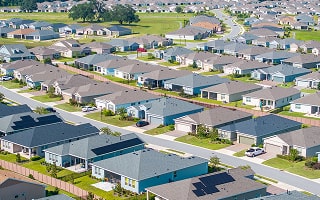
- Ocala (Marion County): Ocala offers affordable land prices, making it value-driven to both small- and large-scale developers. Ocala is also known for its relatively short permit wait times, allowing projects to move from planning to construction more quickly than in other parts of Florida.
- Cape Coral (Lee County): Lee County allows homeowners, builders, and developers to submit and track residential permits digitally through the eConnect portal. Many simple residential permits can be processed in a few business days via the portal, significantly reducing wait times.
- City of Palm Bay (Brevard County): Palm Bay is a development-friendly city that actively supports residential growth. The city offers incentives for residential developers, encouraging them to build new housing, particularly in areas experiencing population growth.
- Polk County: Polk County offers an efficient permitting process, assisting developers and home builders in advancing projects with minimal delays. The county has a Planner-on-Call service to assist developers with zoning and land use approvals.
Moderately Regulated Areas
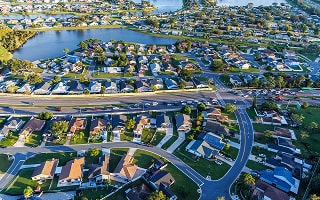
- Orlando (Orange County): Orlando supports mixed-use development with the Live Local Act, which allows for ministerial approval paths for qualifying mixed-income housing in commercial zones (when statutory criteria are met). The city uses a centralized "one-stop" permitting portal, which expedites reviews under 21 days for qualified projects.
- Naples (Collier County): Naples has strict development laws to help preserve the area's natural characteristics. The city enforces a firm limit of three stories for habitable building space, helping to maintain its low-rise coastal appeal.
- St. Petersburg (Pinellas County): St. Petersburg enforces specific flood adaptation requirements for new construction, particularly in designated flood hazard areas. For projects in these zones, developers must provide hydrological studies and flood mitigation plans.
Highly Restrictive or Bureaucratic Areas
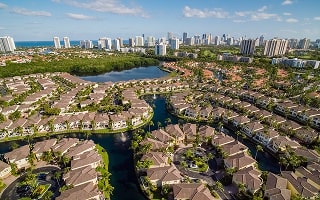
- Miami-Dade County: Enforces stringent coastal regulations, requiring multiple agency reviews for wetland impacts. The Environmentally Endangered Lands designation blocks development in parts of the county, while historic preservation rules add months to the approval process in designated areas.
- Coral Gables: The city enforces Mediterranean Revival architecture, requiring all new construction, renovations, and landscaping changes to align with this design aesthetic. Through its Historic Preservation Division, the city conducts detailed design reviews for any alterations to the facade or landscaping. These changes must be approved by the appropriate review board.
Regulatory Climate Factors to Watch

The ease of real estate development in Florida varies significantly due to local zoning policies, environmental constraints, political dynamics, and compliance requirements. The table below breaks down the key regulatory factors in Florida, their impact on development, and the cities or counties where these factors often come into play.
| Factor | Impact on Development | Where It's Found |
|---|---|---|
| Zoning Flexibility | Determines the ease of land use | Polk County, Lee County, and the City of Orlando |
| Historic Preservation Laws | Adds restrictions | St. Augustine, Coral Gables, Hillsborough County, and Key West |
| Wetlands/Conservation | Limits buildable land | Miami-Dade County, Palm Beach County, and Collier County |
| Inclusionary Zoning | Requires affordable units | Fort Lauderdale, Orlando, Miami Beach, Tampa, and Broward County |
| Building Code Enforcement | Affects cost/speed | Miami-Dade County, Broward County, Orange County, and Naples. |
| Local Politics/NIMBYism* | Blocks or delays projects | Palm Beach County, Sarasota County, Bal Harbour, Naples, and Orlando suburbs |
*NIMBYism - Not in My Backyard
What Are the Most Effective Flipping and Resale Strategies for Maximizing Profit in Florida's Housing Market?

Florida's real estate market — with strong population growth, tax-friendly policies, and varied submarkets — offers smart investors multiple paths to maximize flipping profits, including:
-
![]() Targeting Distressed or Foreclosed Homes: Distressed properties often trade at steep discounts, usually around 20-30% below market value, providing generous margins for rehabbers. With elevated foreclosure rates, Florida is a popular market for flippers. Areas like Pensacola, Palm Bay, Lakeland, and Orlando are prime locations for investors targeting distressed homes. However, investors should also budget for rising insurance premiums and flood coverage, particularly in coastal zones where lenders may have additional requirements.
Targeting Distressed or Foreclosed Homes: Distressed properties often trade at steep discounts, usually around 20-30% below market value, providing generous margins for rehabbers. With elevated foreclosure rates, Florida is a popular market for flippers. Areas like Pensacola, Palm Bay, Lakeland, and Orlando are prime locations for investors targeting distressed homes. However, investors should also budget for rising insurance premiums and flood coverage, particularly in coastal zones where lenders may have additional requirements.
-
![]() Using the 70% Rule: Investors use the 70% Rule to determine a safe maximum purchase price for investment properties. The formula is: Maximum Offer = After-Repair Value (ARV) x 70% - Estimated Repair Costs. By keeping costs under 70% of ARV minus repairs, sellers create a 30% cushion to cover profit, closing costs, holding costs, or surprises like permit delays. This method is widely used in Tampa, Orlando, and Jacksonville, where investor activity is high. Be sure to factor in insurance costs and premium increases, which can erode margins if not included up front.
Using the 70% Rule: Investors use the 70% Rule to determine a safe maximum purchase price for investment properties. The formula is: Maximum Offer = After-Repair Value (ARV) x 70% - Estimated Repair Costs. By keeping costs under 70% of ARV minus repairs, sellers create a 30% cushion to cover profit, closing costs, holding costs, or surprises like permit delays. This method is widely used in Tampa, Orlando, and Jacksonville, where investor activity is high. Be sure to factor in insurance costs and premium increases, which can erode margins if not included up front.
-
![]() Wholetailing for Speed: Instead of doing extensive renovations, sellers can make minor cosmetic improvements, such as applying fresh paint, cleaning up the landscaping, making minor repairs, and adding basic staging. This approach is ideal in markets like Tampa, Orlando, Lakeland, and Palm Bay, where investor activity is high. Be sure to keep an eye on condo law changes in Florida, since some associations now require higher reserves, which can impact carrying costs.
Wholetailing for Speed: Instead of doing extensive renovations, sellers can make minor cosmetic improvements, such as applying fresh paint, cleaning up the landscaping, making minor repairs, and adding basic staging. This approach is ideal in markets like Tampa, Orlando, Lakeland, and Palm Bay, where investor activity is high. Be sure to keep an eye on condo law changes in Florida, since some associations now require higher reserves, which can impact carrying costs.
-
![]() Using the Buy, Rehab, Rent, Refinance, Repeat Method (BRRRR): Here, investors purchase undervalued properties, make targeted renovations to boost value, and rent them out. Once the property is stabilized with rental income, they refinance to recover the upfront investment. The BRRRR strategy is ideal in Florida's growing rental markets, especially in college towns like Gainesville and Tallahassee and in coastal metros like Pensacola and Cape Coral, where rents have risen by over 10%. Investors should ensure that insurance costs and flood-risk zones are underwritten early, as both affect refinance appraisals and lender approvals.
Using the Buy, Rehab, Rent, Refinance, Repeat Method (BRRRR): Here, investors purchase undervalued properties, make targeted renovations to boost value, and rent them out. Once the property is stabilized with rental income, they refinance to recover the upfront investment. The BRRRR strategy is ideal in Florida's growing rental markets, especially in college towns like Gainesville and Tallahassee and in coastal metros like Pensacola and Cape Coral, where rents have risen by over 10%. Investors should ensure that insurance costs and flood-risk zones are underwritten early, as both affect refinance appraisals and lender approvals.
-
![]() Renovating with Quality — Don't Cut Corners: Buyers are willing to pay more for homes with modern, functional upgrades, particularly in kitchens and bathrooms. Full kitchen overhauls with open-plan layouts, updated cabinets, stone countertops, and energy-efficient appliances not only enhance appeal but also raise a home's market value, especially in Fort Lauderdale, Cape Coral, Bradenton, and West Palm Beach. For coastal or condo investments, investors must review homeowners association (HOA) reserves and flood maps, as these directly affect insurability and resale appeal.
Renovating with Quality — Don't Cut Corners: Buyers are willing to pay more for homes with modern, functional upgrades, particularly in kitchens and bathrooms. Full kitchen overhauls with open-plan layouts, updated cabinets, stone countertops, and energy-efficient appliances not only enhance appeal but also raise a home's market value, especially in Fort Lauderdale, Cape Coral, Bradenton, and West Palm Beach. For coastal or condo investments, investors must review homeowners association (HOA) reserves and flood maps, as these directly affect insurability and resale appeal.


How Should Sellers Price Their Homes to Attract Buyers While Maximizing Value in Florida?

When pricing a home to attract buyers and maximize net proceeds, sellers should strongly consider partnering with a local real estate agent or a licensed appraiser to conduct a comparative market analysis (CMA). This means reviewing similar homes recently listed, sold, or under contract — ideally within the last 90 days. After that, sellers in specific metro areas and towns often utilize one or more of the following proven pricing strategies based on the local market.
-
![]() Pricing Just Below Market Thresholds: Listing the property at $299,000 instead of $300,000 can help ensure it appears in more online search filters, which can help maximize the number of showings. This pricing influences buyers' perception, making the price seem significantly lower than it is. Home sellers in suburbs, like Winter Park, Brandon, and Kissimmee use pricing below the market threshold to drive traffic to their listing. In addition, this approach helps speed up sales in cities like Palm Bay and Deltona, where median prices are near the market threshold.
Pricing Just Below Market Thresholds: Listing the property at $299,000 instead of $300,000 can help ensure it appears in more online search filters, which can help maximize the number of showings. This pricing influences buyers' perception, making the price seem significantly lower than it is. Home sellers in suburbs, like Winter Park, Brandon, and Kissimmee use pricing below the market threshold to drive traffic to their listing. In addition, this approach helps speed up sales in cities like Palm Bay and Deltona, where median prices are near the market threshold.
-
![]() Charm Pricing (Psychological Pricing): Charm pricing is listing homes just below round numbers, like $499,000 instead of $500,000. This makes the property feel like a better deal and ensures the listing shows up in more online searches, since buyers often use even-number filters. Charm pricing is popular in many Florida markets, including St. Augustine, Ocala, Winter Haven, and Jacksonville.
Charm Pricing (Psychological Pricing): Charm pricing is listing homes just below round numbers, like $499,000 instead of $500,000. This makes the property feel like a better deal and ensures the listing shows up in more online searches, since buyers often use even-number filters. Charm pricing is popular in many Florida markets, including St. Augustine, Ocala, Winter Haven, and Jacksonville.
-
![]() Pricing to Create a Bidding War: Here, sellers list a property slightly below its true market value to attract a large pool of buyers, creating a sense of urgency. This tactic builds urgency and may push the final sale price well above the initial asking price. It's commonly used in ultra-competitive markets like Miami Beach and West Palm Beach, especially for beachfront homes and luxury condos. Similar pricing strategies are also seen in high-demand markets such as Naples and Fort Lauderdale.
Pricing to Create a Bidding War: Here, sellers list a property slightly below its true market value to attract a large pool of buyers, creating a sense of urgency. This tactic builds urgency and may push the final sale price well above the initial asking price. It's commonly used in ultra-competitive markets like Miami Beach and West Palm Beach, especially for beachfront homes and luxury condos. Similar pricing strategies are also seen in high-demand markets such as Naples and Fort Lauderdale.
-
![]() High-Anchor Pricing (Test the Waters): High-anchor pricing consists of listing a property at the very top of the market range, such as $750,000 in a $650,000 to $750,000 band, to allow room for price reductions and buyer negotiations. This strategy is often used with luxury waterfront homes in Naples, Sarasota, and Palm Beach, or on newly renovated homes with premium finishes. In upscale neighborhoods of Boca Raton and Clearwater Beach, sellers also use high-anchor pricing to position their homes as premium listings.
High-Anchor Pricing (Test the Waters): High-anchor pricing consists of listing a property at the very top of the market range, such as $750,000 in a $650,000 to $750,000 band, to allow room for price reductions and buyer negotiations. This strategy is often used with luxury waterfront homes in Naples, Sarasota, and Palm Beach, or on newly renovated homes with premium finishes. In upscale neighborhoods of Boca Raton and Clearwater Beach, sellers also use high-anchor pricing to position their homes as premium listings.
-
![]() Price-Per-Square-Foot Benchmarking: This pricing method is based on the average price per square foot of similar properties in the neighborhood and fixing your home price to that figure. It's used in subdivisions across Lee County and for condos in Miami and Fort Lauderdale, where buyers rely on price-per-square-foot comparisons to assess value quickly.
Price-Per-Square-Foot Benchmarking: This pricing method is based on the average price per square foot of similar properties in the neighborhood and fixing your home price to that figure. It's used in subdivisions across Lee County and for condos in Miami and Fort Lauderdale, where buyers rely on price-per-square-foot comparisons to assess value quickly.
-
![]() Appraisal-Backed Pricing: Appraisal-backed pricing is listing a property near the expected appraised value, usually 95-100% of it, so that buyers using FHA or VA loans have extra cash at closing. It's commonly used in Fort Lauderdale and other parts of Broward County, as well as Cape Coral, Port St. Lucie, Jacksonville, and Kissimmee, where many buyers rely on government-backed financing.
Appraisal-Backed Pricing: Appraisal-backed pricing is listing a property near the expected appraised value, usually 95-100% of it, so that buyers using FHA or VA loans have extra cash at closing. It's commonly used in Fort Lauderdale and other parts of Broward County, as well as Cape Coral, Port St. Lucie, Jacksonville, and Kissimmee, where many buyers rely on government-backed financing.
-
![]() Net-to-Seller Pricing: Net-to-seller pricing works by calculating your targeted net proceeds and working backward to solve for the list price once commissions, closing costs, and taxes are deducted. It's used in Sarasota and Manatee County, where commission splits may be higher and local taxes may reduce your profit. The method is also widely applied in real estate markets in Naples, St. Petersburg, West Palm Beach, and Fort Myers, where transaction costs vary and sellers are focused on protecting their bottom line.
Net-to-Seller Pricing: Net-to-seller pricing works by calculating your targeted net proceeds and working backward to solve for the list price once commissions, closing costs, and taxes are deducted. It's used in Sarasota and Manatee County, where commission splits may be higher and local taxes may reduce your profit. The method is also widely applied in real estate markets in Naples, St. Petersburg, West Palm Beach, and Fort Myers, where transaction costs vary and sellers are focused on protecting their bottom line.
-
![]() Urgency Pricing (Motivated Seller Strategy): Urgency pricing is designed to move a property quickly by offering a short-term discount that typically puts it below market value. This strategy is especially effective in time-sensitive situations such as pre-foreclosures, divorce settlements, estate sales, or seller relocations, where quick closings are critical. In Florida, it's common in areas like Tampa, Orlando, and Jacksonville, where job transfers and estate-related sales happen frequently. It's also used in Cape Coral and Lakeland, where sellers price aggressively up front, rather than making multiple price cuts later.
Urgency Pricing (Motivated Seller Strategy): Urgency pricing is designed to move a property quickly by offering a short-term discount that typically puts it below market value. This strategy is especially effective in time-sensitive situations such as pre-foreclosures, divorce settlements, estate sales, or seller relocations, where quick closings are critical. In Florida, it's common in areas like Tampa, Orlando, and Jacksonville, where job transfers and estate-related sales happen frequently. It's also used in Cape Coral and Lakeland, where sellers price aggressively up front, rather than making multiple price cuts later.


When preparing to list your Florida home, the key to maximizing yields and minimizing time on the market is choosing the best pricing strategy. The best pricing strategy should align the property's profile with current market conditions. The reference table below highlights common market conditions and the corresponding pricing tactics.
| Market Condition | Best Strategy |
|---|---|
| Seller's Market | Underpricing for a bidding war |
| Buyer's Market | Charm pricing or net-to-seller |
| Unique, luxury home | High-anchor + value justification |
| Entry-level home | Just-below threshold |
| Urgent sale needed | Aggressive urgency pricing |
| Flipper or investor listing | Appraisal-backed or price-per-square-foot benchmarking |
Which Key Economic, Social, and Regulatory Factors Are Driving Current Trends in Florida's Local Property Markets?

Florida's local property markets are influenced by various factors, including job growth, population changes, local rules, and investor interest. These elements vary by area and affect both housing demand and supply in different ways. Here's a look at what's driving Florida's busiest markets.
![]() Economic Factors
Economic Factors
 Economic Factors
Florida has seen one of the fastest rates of job growth among large states, attracting workers from across the country. Florida's labor market remains a magnet for job seekers, particularly in tourism, healthcare, and logistics. Following 3.6% real GDP growth in 2024, employment gains are projected to slow but remain above the national average, pointing to continued strong housing demand.
While Florida enjoys a tax-friendly environment, living costs are rising, mirroring national trends. Recent data shows that in the Miami-Fort Lauderdale-West Palm Beach area, prices for housing, food, and energy are pushing up the Consumer Price Index, making affordability a growing concern for buyers.
New home supply is on the upswing in Florida after peaking at 54,824 newly listed homes in January 2025, an 8.9% year-over-year increase. Developers in Florida are steadily adding new housing inventory, particularly in the rapidly expanding counties along the I-4 corridor. Nevertheless, bottlenecks in some locales can reduce the pace of construction activities. Additionally, accelerated construction is expected to outpace demand, and higher building material and labor costs may limit affordability.
![]() Demographic and Social Factors
Demographic and Social Factors
 Demographic and Social Factors
Florida's net inbound migration has averaged 3.7% annually over the past decade, driven by retirees, remote workers, and out-of-state professionals seeking no-income-tax states. This trend fuels property demand across both coastal and inland metros.
Age distribution and cultural preferences also influence Florida's property markets. With a median age above 42 years, Florida's population is older than the national average, boosting demand for downsized, low-maintenance housing. Similarly, younger families are typically drawn to good-value suburban markets, creating a split in demand between places like Sarasota for retirees and Kissimmee for families.
Lastly, the lifestyle and amenities play a role in the demand and supply of real estate in Florida. Many property buyers favor wellness-focused, walkable suburbs near strong schools (Lake Nona, Wesley Chapel, St. Lucie West), and transit-proximate urban condos (Fort Lauderdale, West Palm Beach, Brickell) with sound HOAs. This reflects a strong preference for active, amenity-rich lifestyles. While demographics remain favorable, rising insurance costs and increased housing demand may push prices above income trends, creating challenges for first-time and local buyers.
![]() Regulatory and Legal Framework
Regulatory and Legal Framework
 Regulatory and Legal Framework
Florida stands out for its landlord-friendly policies, including a statewide ban on rent control, meaning no city or county can cap rent prices. This makes the state especially appealing to rental investors looking for flexible, market-driven returns. However, zoning and land-use rules vary widely across Florida. Some areas, like Polk and Lee counties, offer fast and easy online permitting, while others, such as Coral Gables and St. Augustine, have stricter design rules and lengthy approval processes, especially in historic or coastal zones. These restrictive permitting processes may delay project timelines and add to development costs.
![]() Taxation and Fiscal Policy
Taxation and Fiscal Policy
 Taxation and Fiscal Policy
Florida has no personal income or state capital gains tax, a major advantage for high-net-worth buyers and investors looking to retain more post-sale proceeds.
Homeowners in Florida benefit from the homestead exemption, with up to $50,000 off the assessed value, and the Save Our Homes cap on assessment increases. Together, these can shield long-term residents from steep tax hikes. In addition, Governor DeSantis has floated a plan for a $1,000 property tax rebate proposed to benefit over 5 million homestead properties across Florida. If approved, it could significantly reduce annual tax bills and make it more affordable for Floridians to hold on to their homes.
![]() Housing Policy and Government Programs
Housing Policy and Government Programs
 Housing Policy and Government Programs
The State Housing Initiatives Partnership (SHIP) program provides state funding to local governments to support affordable housing efforts. This includes down payment assistance, home repairs, and new housing projects, which are essential in high-demand housing corridors where prices are rising quickly. In addition, Florida Housing Finance Corporation (FHFC) helps people buy homes by offering affordable 30-year fixed-rate mortgages with low down payments. These first-time homebuyer programs are especially helpful in cities like Jacksonville and Daytona Beach, where rising costs can make ownership harder to achieve.
![]() Infrastructure and Development Trends
Infrastructure and Development Trends
 Infrastructure and Development Trends
Major road-widening projects along the I-4 corridor are making it easier to access growing suburban areas. These upgrades, along with improvements to Orlando's SunRail system, are opening up new land for housing development and shifting growth further west into once-rural areas. This creates more opportunities for builders and buyers looking outside city centers for more affordable real estate.
In addition, the Brightline high-speed rail line, connecting Miami to Orlando, is transforming the areas around its stations. In places like Fort Lauderdale and West Palm Beach, the rail line has sparked interest in mixed-use developments and high-end condos. These transit-friendly locations are attracting both residents and investors looking for convenience and long-term value.
![]() Market Sentiment and Investor Behavior
Market Sentiment and Investor Behavior
 Market Sentiment and Investor Behavior
Florida's pro-growth policies and development-friendly zoning make it a top destination for individual and institutional investors, as well as companies looking to relocate. Florida aims to attract corporate headquarters to the state, showing its commitment to long-term economic growth. This business-friendly climate may boost property investors' confidence and support steady housing demand. Florida also ranks among the top states for expected property price appreciation and rental yield growth, making it a hotspot for real estate investment.
In summary, Florida's housing market continues to balance robust demand — driven by strong jobs growth, inbound migration, and investor confidence — and prices around the national median. New construction is helping to ease the supply crunch, creating more opportunities for buyers and sellers. To succeed, developers and sellers should utilize effective marketing techniques, obtain permits in growth areas, and use appropriate selling practices to boost sales and profits. It's also crucial to understand local zoning and preservation rules to avoid delays and preserve value. Whether it's a starter home in Ocala or a luxury condo in Brickell, matching your strategy to each area's unique market conditions is essential for securing the best return.
Table of Contents
- Florida Home Selling
- Which Areas in Florida Offer the Best Return on Investment and Are Easiest for Residential
- What Home Styles, Sizes, and Features Tend to Sell Fastest in the Florida Market?
- What Should Home Sellers Know About Zoning Laws, Permits, and Regulatory Requirements in Florida?
- Which Towns or Cities in Florida Are the Easiest â and Hardest â When It Comes to Navigating Real Estate Regulations?
- What Are the Most Effective Flipping and Resale Strategies for Maximizing Profit in Florida's Housing Market?
- How Should Sellers Price Their Homes to Attract Buyers While Maximizing Value in Florida?
- Which Key Economic, Social, and Regulatory Factors Are Driving Current Trends in Florida's Local Property Markets?